
Refining institutions, opening billion-dollar opportunities for Vietnam’s crypto assets – Vietnam RWA Summit 2026
Real-World Asset (RWA) tokenization is opening up new possibilities for capital mobilization, helping to activate resources that remain “dormant” in the economy. The necessary condition is a market infrastructure that ensures legal soundness, transparency and verifiability.
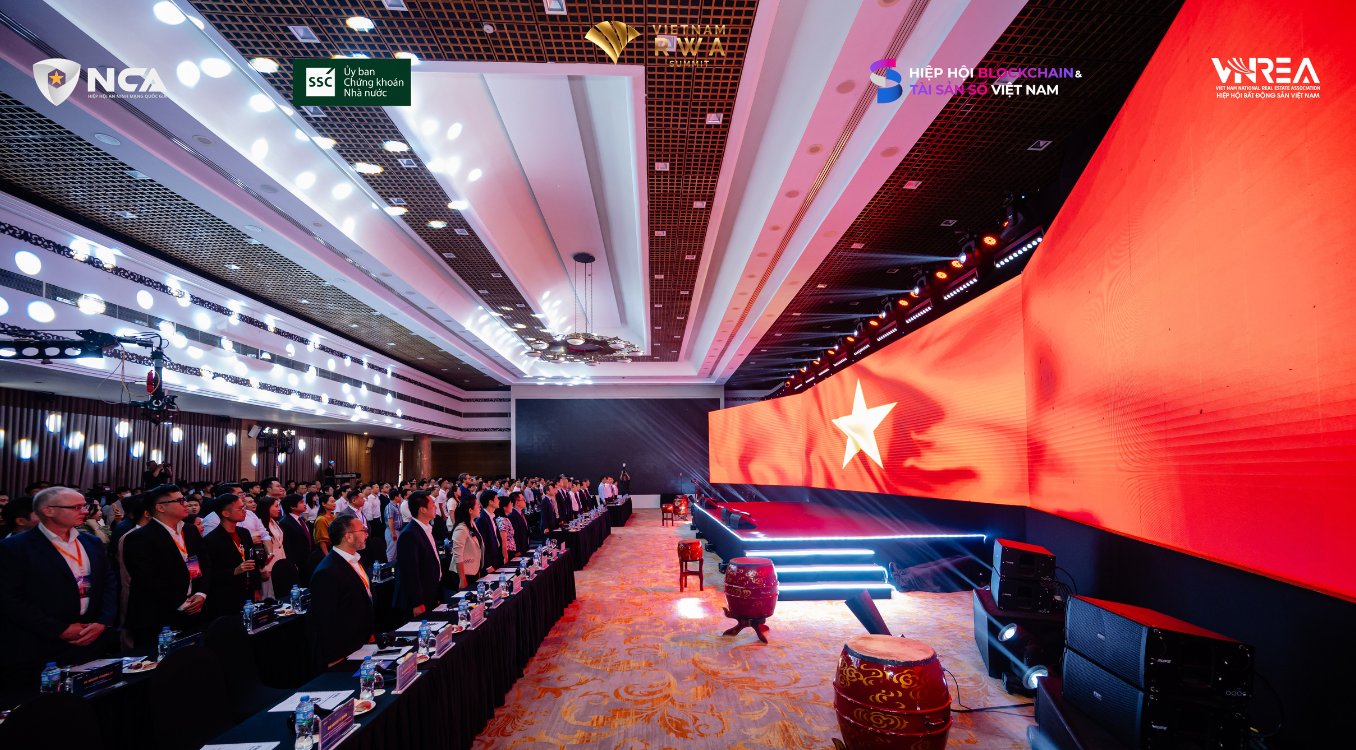
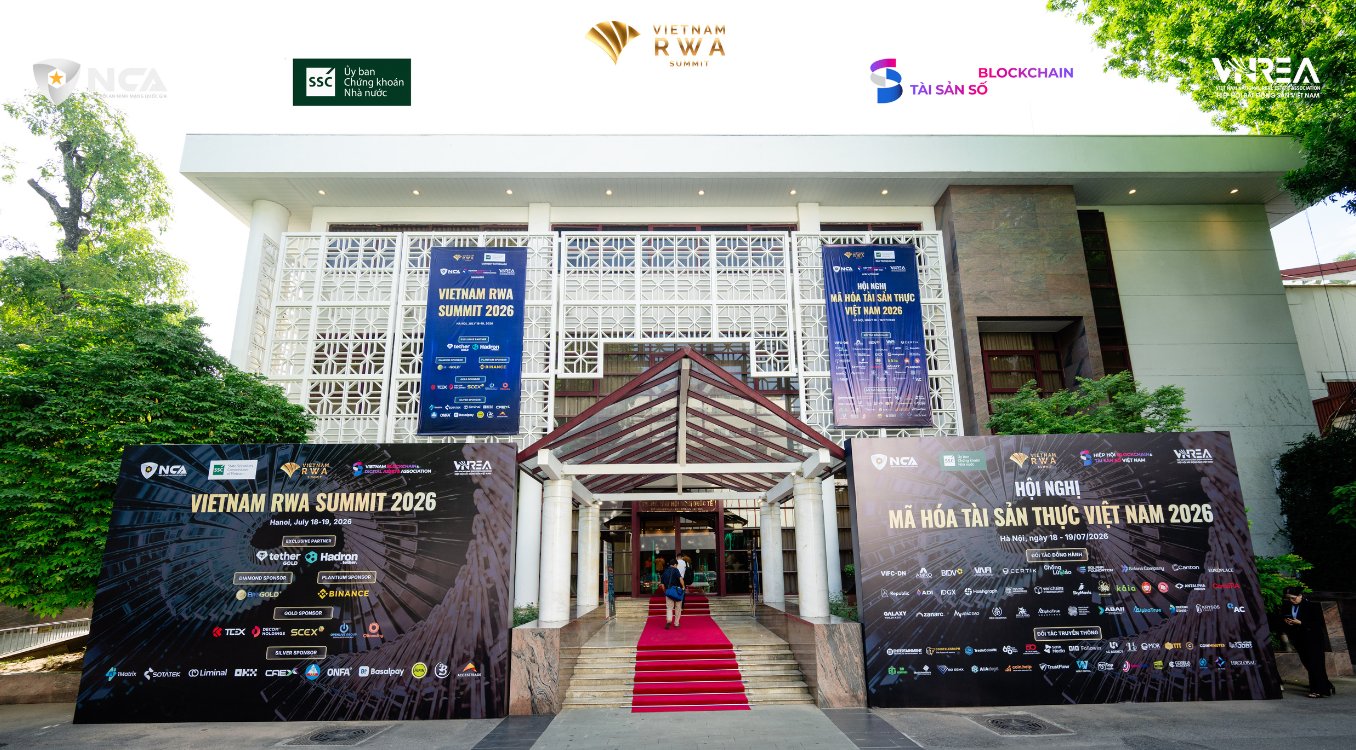
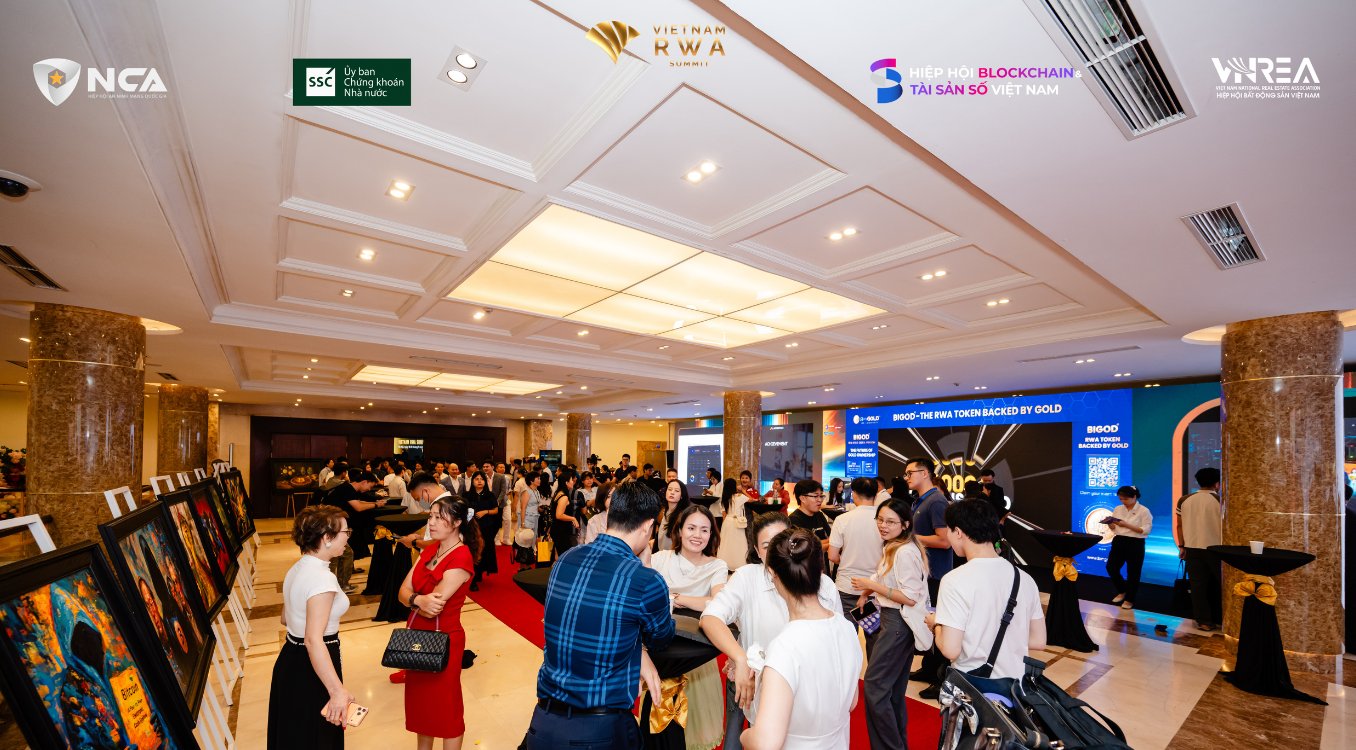
On 18 July 2026, the Vietnam Real-World Asset Summit 2026 (Vietnam RWA Summit 2026) officially opened in Hanoi with the participation of more than 3,000 delegates at the opening session, drawn from legislative and state management bodies such as the National Assembly, the Ministry of Public Security, the Ministry of Finance, the State Bank of Vietnam, the Ministry of Justice, the Ministry of Science and Technology and the Ministry of Home Affairs, alongside representatives of leading technology enterprises and major financial institutions from Vietnam and abroad.
Running over two days (18–19 July 2026), the program was co-organized by the Vietnam Blockchain and Digital Assets Association (VBA), the National Cybersecurity Association (NCA) and the Vietnam Real Estate Association (VNREA), under the content patronage of the State Securities Commission of Vietnam (SSC) and the Ministry of Finance.
Table of contents
Shifting the management mindset, building a trust infrastructure for the digital asset market
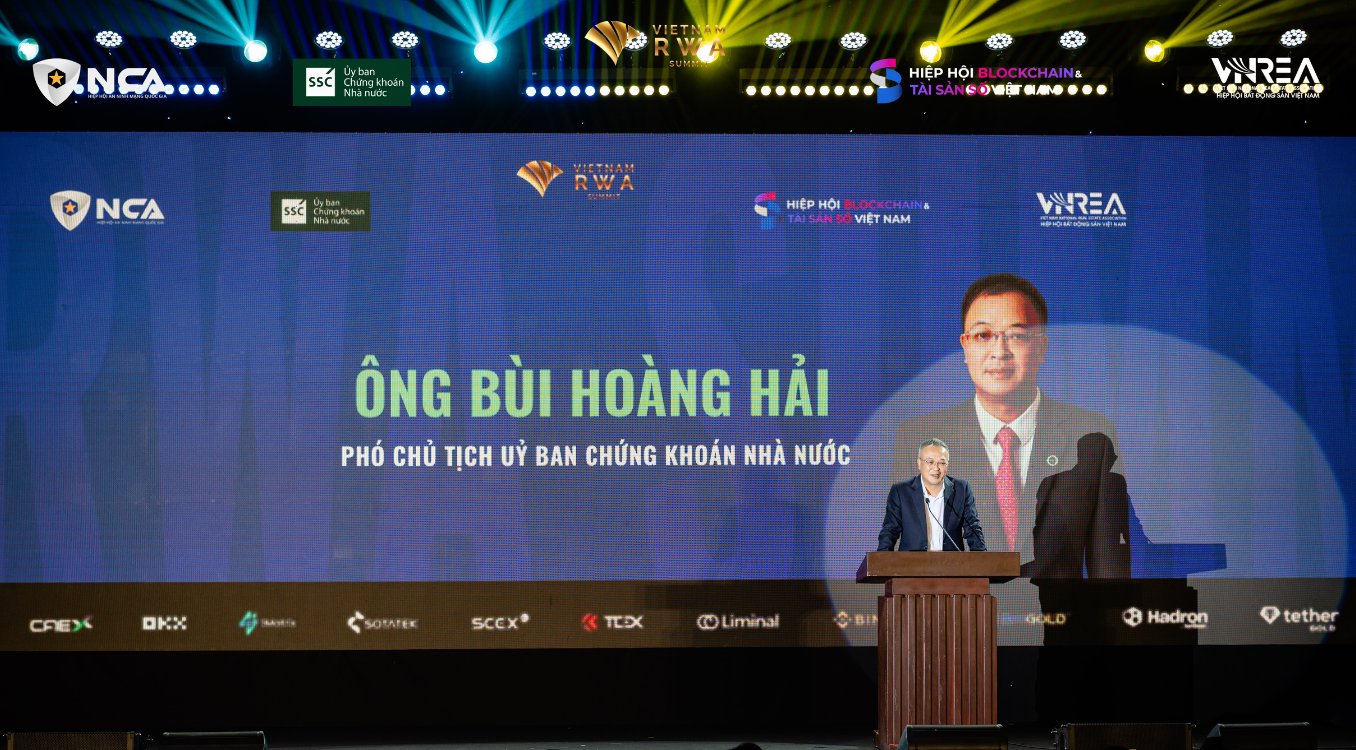
Delivering the opening remarks, Mr. Bui Hoang Hai, Vice Chairman of the State Securities Commission of Vietnam, observed that RWA is emerging as one of the trends with the greatest influence on global finance, helping to unlock resources that remain “dormant” in the economy. For Vietnam, as the demand for capital for infrastructure, production, innovation and digital transformation grows ever larger, this is a promising direction that needs to be studied seriously and implemented prudently with a long-term vision. He also stressed that the crypto asset market in general, and RWA in particular, can only develop sustainably when it is built on a clear legal foundation, transparent cash flows, safe infrastructure and protected investors.
On cybersecurity, Colonel, Dr. Nguyen Hong Quan, Deputy Director of the Department of Cybersecurity and High-Tech Crime Prevention (A05), Ministry of Public Security, said that a digital asset ecosystem can only develop over the long term when it is built on safe technology, protected data, transparent transactions, clearly accountable participants, and guaranteed legitimate rights for citizens and businesses.
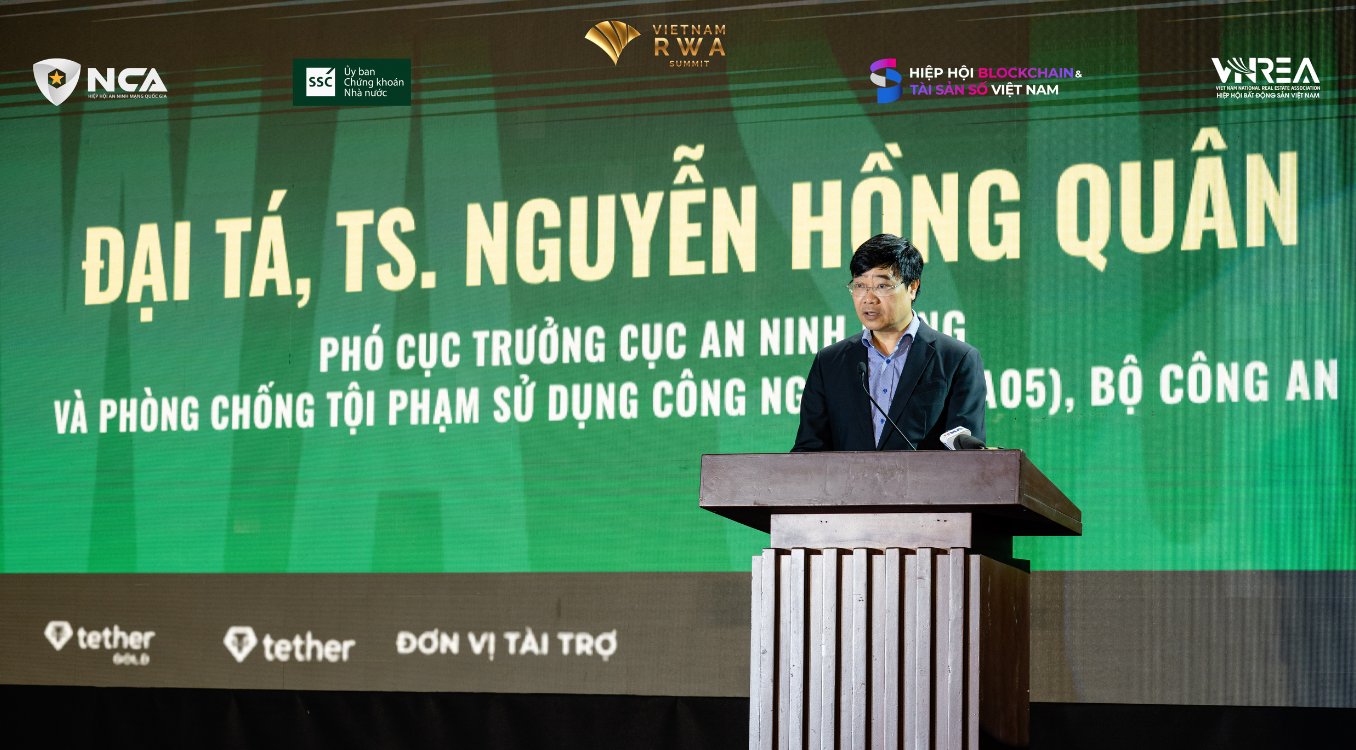
“The view of the Ministry of Public Security in general, and of the cybersecurity and high-tech crime prevention forces in particular, is that cybersecurity is not a barrier to innovation. On the contrary, cybersecurity is precisely the condition for innovation to develop sustainably and to build trust in the market,” Colonel Nguyen Hong Quan stated.
Clarifying the technical risks, Senior Lieutenant Colonel, Dr. Nguyen Thanh Chung (A05, Ministry of Public Security) said that from 2020 to early 2025, the world recorded more than 660 cyberattacks in the crypto asset sector, causing losses of nearly 13 billion USD; since the start of 2026 alone, losses have continued at around 800 million USD. The risks mainly stem from the novel technical characteristics of blockchain, the still-limited level of investment in cybersecurity, human weaknesses, and the market’s growing appeal to cybercriminals. Attacks often target wallets, exchanges, bridges and blockchain applications, raising the requirement to strengthen assessment, monitoring and incident response for pilot systems.
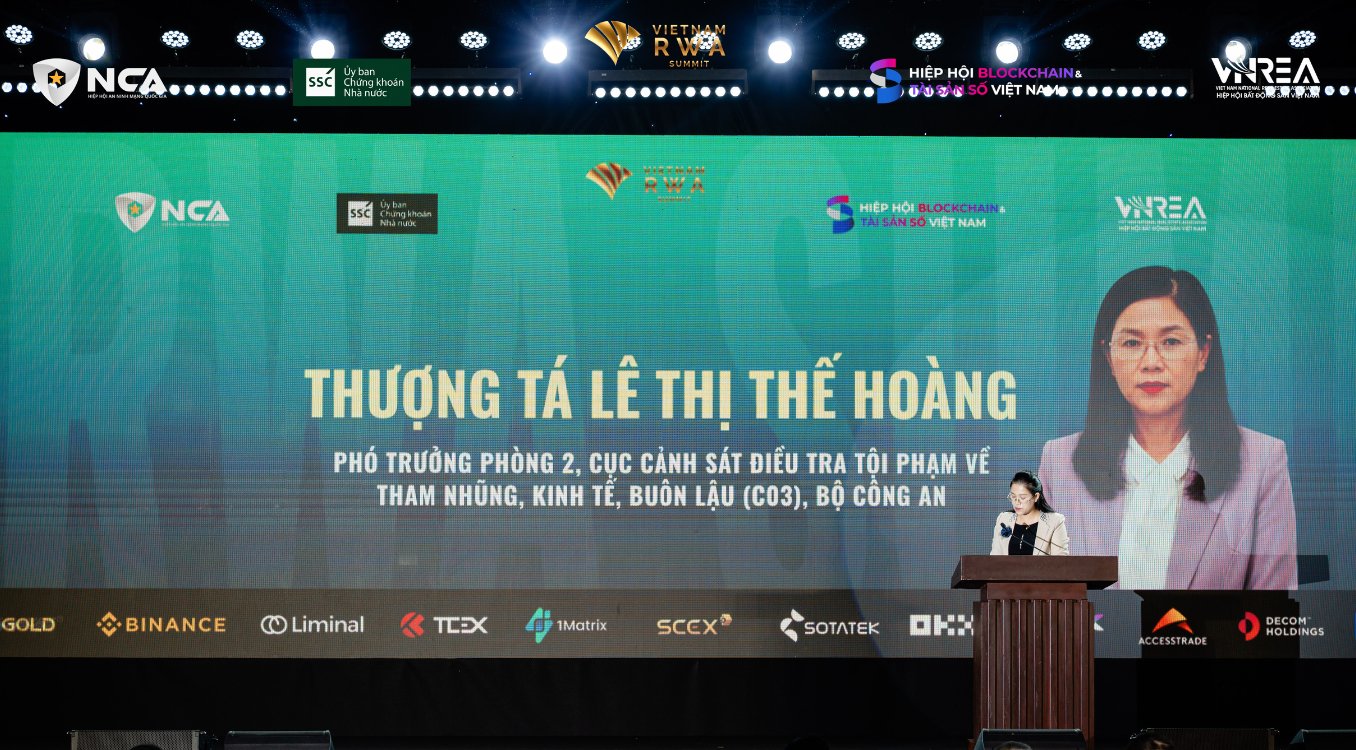
Senior Lieutenant Colonel Le Thi The Hoang, Deputy Head of Division 2, Department of Investigation Police for Corruption, Economic and Smuggling Crimes (C03), Ministry of Public Security, warned of schemes that set up token projects and create fake liquidity using bots and virtual accounts to attract investors, before “dumping” assets or crashing the system. Crypto assets are also exploited for money laundering through many layers of intermediaries, blockchain platforms and international exchanges in order to hinder tracing. According to her, the requirement is not only to handle violations, but also to enhance the capacity for early detection, cash-flow monitoring, and coordination between management agencies, law enforcement forces and organizations within the ecosystem.
If the legal corridor is the necessary condition, a reliable data infrastructure will be the sufficient condition for the market to develop and achieve the expected results. Mr. Phan Duc Trung, Chairman of the Vietnam Blockchain and Digital Assets Association (VBA), said that capital flowing into RWA in 2025 grew by around 300%, significantly higher than other asset classes. However, the obstacle preventing the market from developing in line with its potential does not lie in tokenization technology, but in the fact that sufficient trust for the capital market has not yet been built.
According to Mr. Trung, blockchain can support the distribution, transfer and settlement of assets, but it cannot create trust on its own or turn a poor-quality asset into a good one. Trust in a token must begin with reliable data about the real-world asset, verifiable identities of the parties, authenticated information about the asset and cash flows, together with mechanisms for continuous disclosure, tracking and supervision. Therefore, the market structure needs to be built in sequence – from the real-world asset, to a reliable data infrastructure, to the digital asset – on an appropriate legal foundation, before tokens and distribution channels are formed. In this structure, exchanges are only one of many channels for bringing assets to investors; the decisive factors remain the type of asset being distributed, the quality of the asset, and the verifiability of the data underneath.
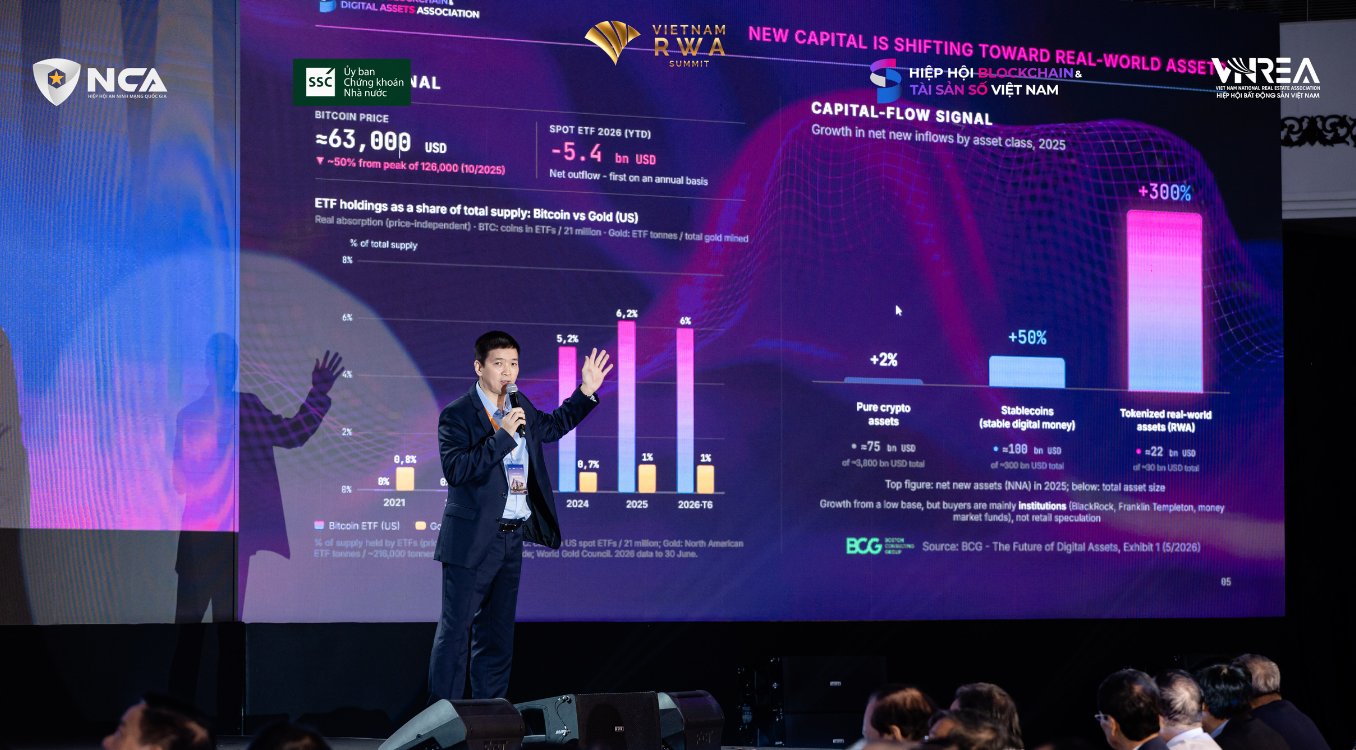
For Vietnam, Mr. Trung said that within about 10 months, the market has produced six documents at various levels – from laws and decrees to circulars – while continuing to prepare a framework on identification and authentication. Vietnam also has an advantage in the scale of demand, with around 200 billion USD in crypto assets passing through the market and roughly 17 million wallets or crypto asset holders. This can be an important foundation for developing a digitized capital market, provided that the layers of data, digital assets and distribution mechanisms are fully built.
>> Apply: Latest blockchain jobs
Balancing innovation with risk-management requirements
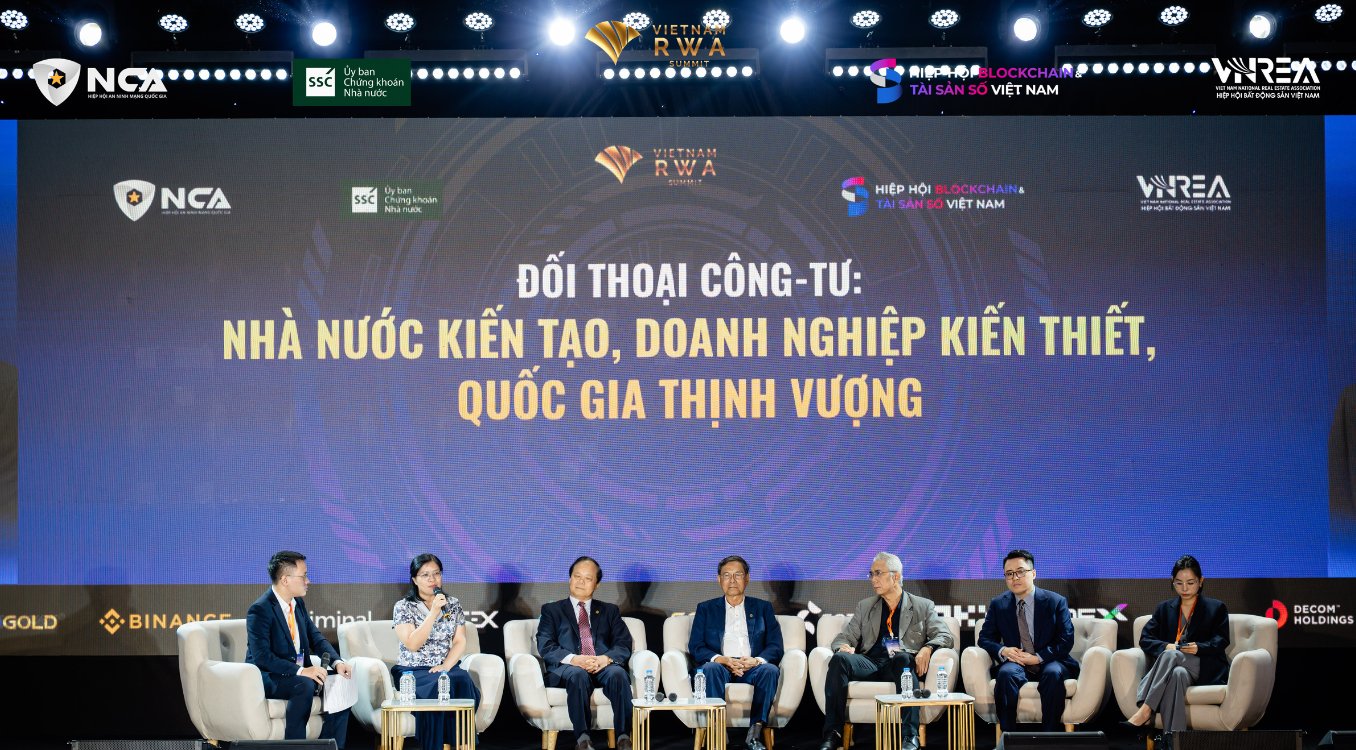
Alongside the growth prospects, risk management and system safety were identified as key factors in the process of market development, in line with the prudent, controlled orientation of Resolution 05/2025/NQ-CP.
In the panel discussion “Public–private dialogue: the State as enabler, enterprises as builders, a prosperous nation,” Assoc. Prof., Dr. Dang Van Thanh, former Vice Chairman of the National Assembly’s Committee for Economic and Budgetary Affairs (11th tenure), argued that dividing and transferring portions of assets on a distributed ledger platform can facilitate accounting, settlement, access to capital, and the ability to mobilize resources from international markets. However, development opportunities must go hand in hand with the capacity to identify and manage risks – not only at the level of each enterprise, but also at the level of national governance – in order to ensure the safety of the financial system.
From a legislative perspective, Prof., Dr. Phan Trung Ly, former Chairman of the National Assembly’s Law Committee (13th tenure), focused on issues related to the safety and security of crypto assets and the need to progressively refine the legal framework. The legal framework must both ensure safety and security and create favorable conditions for exchanges.
From the practice of market management, Mr. To Tran Hoa, Deputy Head of the Securities Market Development Department at the SSC, said that the current pilot framework is designed to be “both tight and open.” Service providers must meet high requirements for financial capacity and technological safety, while the mechanism for issuing and selecting assets to be listed still leaves a certain space for the market. According to him, licensing is only the first step; the more important requirement is to build the capacity to manage and supervise once the market is officially in operation, and to continue refining the legal framework on the basis of practice.
From an anti-money-laundering perspective, Ms. Nguyen Thi Minh Tho, Deputy Director of the Anti-Money Laundering Department, State Bank of Vietnam, said that Vietnam has taken initial steps to form a foundational legal framework for the crypto asset market. However, in line with FATF requirements, completing the legal framework is only one part; Vietnam must also demonstrate effective enforcement in practice. She stressed that this remains a long road, requiring coordination between management agencies and the private sector.
From international experience to domestic market-design structure
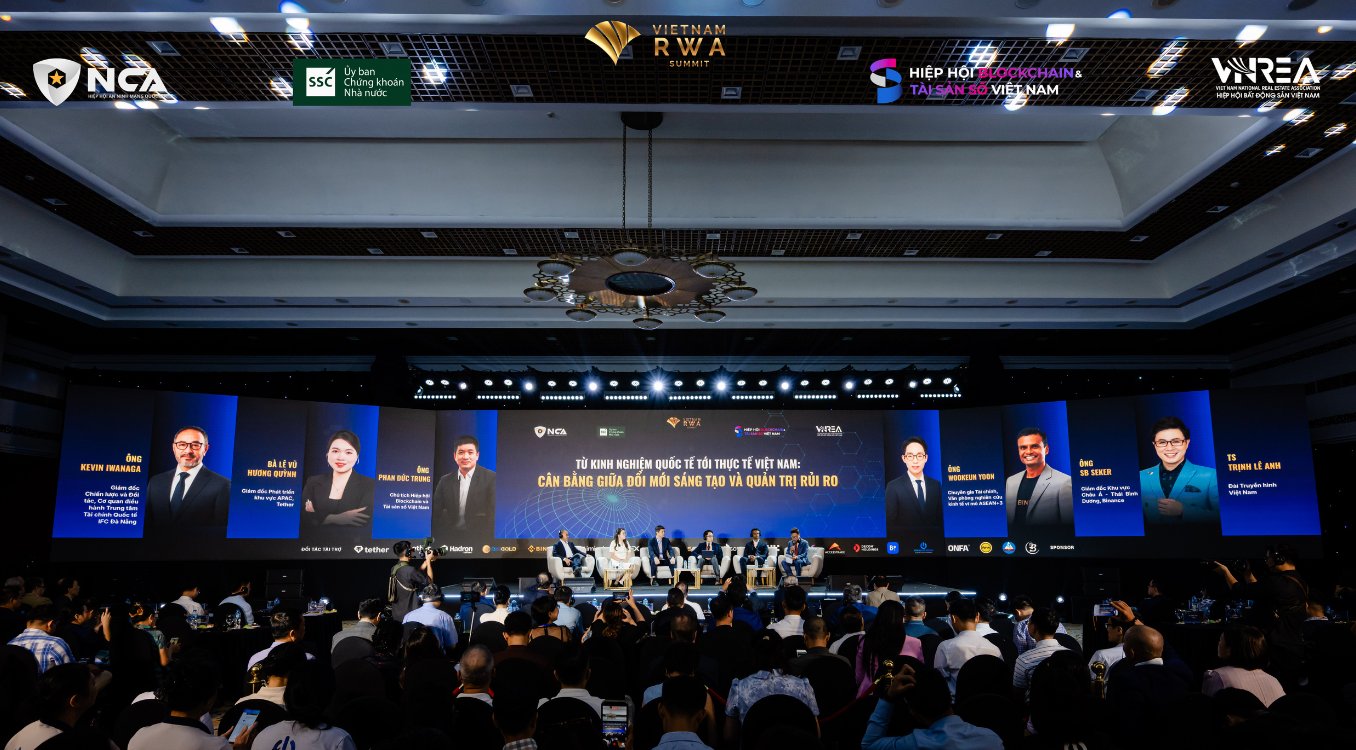
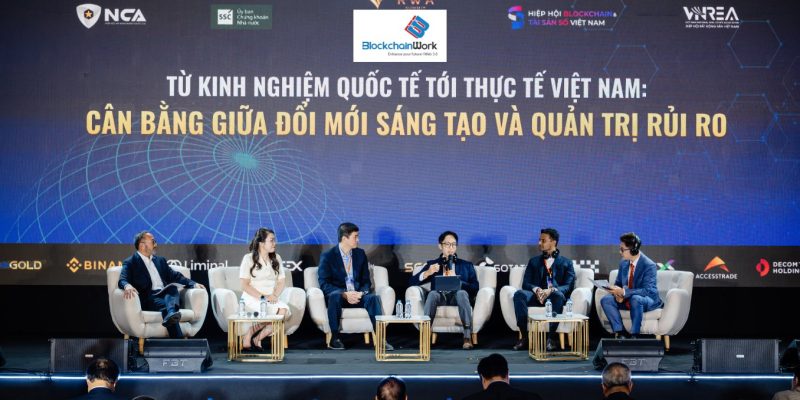
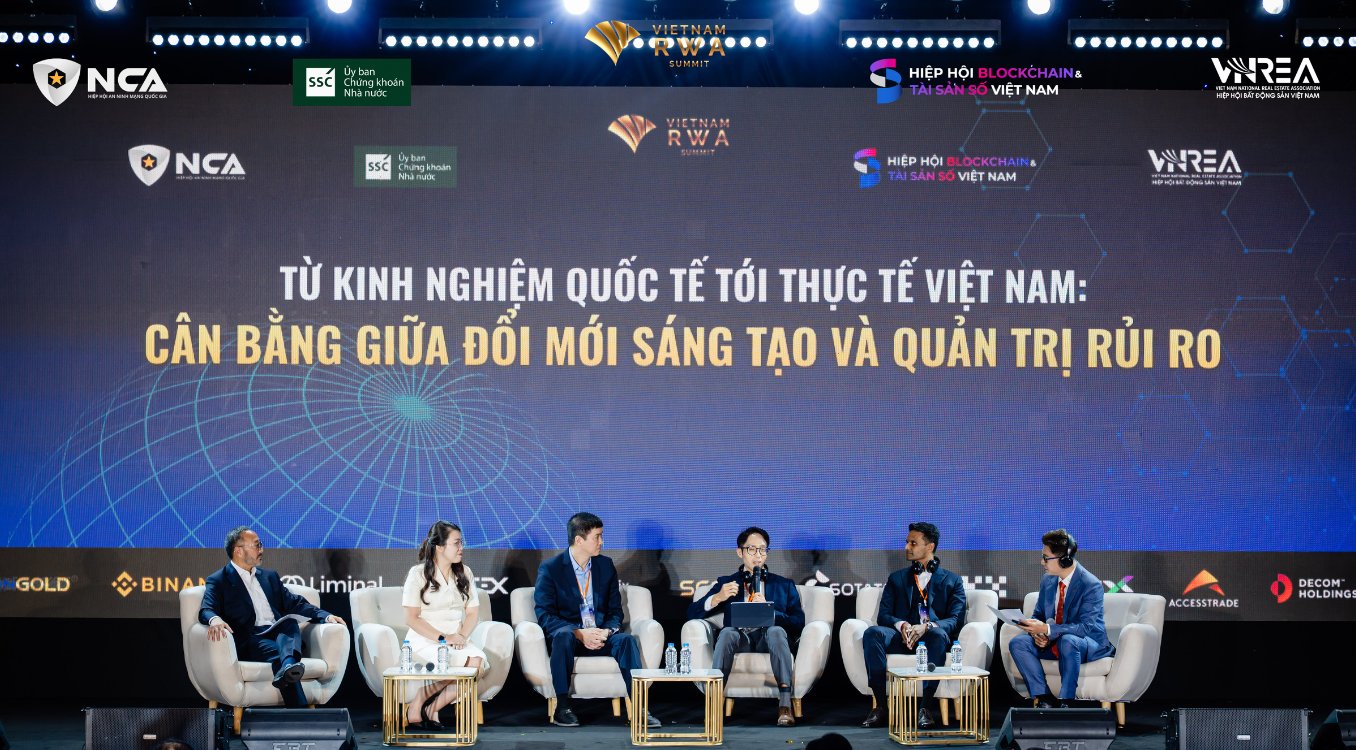
Following the policy-focused discussions, the panel “From international experience to Vietnam’s reality: balancing innovation and risk management” broadened the perspective toward practical experience from countries in the region that have gone before.
Mr. Wookeun Yoon, financial expert at the ASEAN+3 Macroeconomic Research Office (AMRO), noted that tokenization does not automatically resolve all of the liquidity and valuation limitations of the underlying asset. Based on regional experience, many successful RWA products focus on traditional financial assets such as treasury bonds and money market funds, and continue to use proven structures such as funds or special-purpose vehicles. The token is then a digital interest in the structure holding the underlying asset.
From Tether’s operational experience, Ms. Le Vu Huong Quynh, Regional Development Director for Asia-Pacific, argued that once the legal framework is in place, the issue enterprises care about is choosing a model that can create value and profit. She cited the USDT stablecoin, which has expanded from an intermediary tool between exchanges to handling payments, cross-border remittances and settlement between businesses. For tokenized assets, the ability to connect with international liquidity sources is a necessary condition for reaching global investors and capital.
Mr. SB Seker, Regional Director for Asia-Pacific at Binance, emphasized that products must be designed from the real needs of users. If the goal is international capital flows, each country needs to determine from the outset whether a product is for the domestic or global market, and choose partners with the capacity to distribute to international markets.
At the Da Nang International Financial Center, Mr. Kevin Iwanaga, Director of Strategy and Connectivity, said the orientation is not to develop digital assets as a speculative activity, but to build a digital financial and tokenization ecosystem under management, in order to connect Vietnam’s real-world assets with domestic and international capital. The center is prioritizing the construction of a controlled sandbox that clearly defines participants, scope of activities, pilot duration, transaction limits, and requirements for information disclosure, custody and reporting. Applications under consideration must have backing assets and clear economic value; the link between the token and the underlying asset must be enforceable, transparent and verifiable.
The shared view among the experts is that integration does not mean copying existing models. Vietnam needs to select principles suited to its legal conditions, the level of market development and domestic supervisory capacity. The greatest value of international experience lies in the ability to identify risks early, thereby avoiding a repeat of the boom-and-late-adjustment cycles seen in markets that have gone before. Given the current market scale, technological resources and the pace of policy refinement, Vietnam has a basis to expand new capital-raising channels and progressively affirm its position in the region’s digital finance ecosystem.
Sharing on this topic, Ms. Le Ngoc My Tien, CEO and Co-founder of BlockchainWork, said the current period poses a fundamental balancing challenge: promoting the application of technology and innovation in the economy, while building a transparent, efficient business environment that complies with the new legal framework. “The new legal framework is not a barrier, but precisely the condition for innovation to develop responsibly and go the distance,” she shared. In her view, the human factor is decisive, and developing a workforce that is both strong in technical expertise and well-versed in legal regulations is exactly the gap the market needs to fill in a systematic way.
She also emphasized the role of international experience in this journey. Recently, BlockchainWork has taken part in major international events such as WebX 2026 in Tokyo, Japan, to learn from the practical experience of markets with a well-established history of legal operation, in order to better support Vietnamese projects and talent. In that spirit, BlockchainWork continues to pursue its mission of connection: connecting talent with businesses, connecting knowledge with opportunity, and connecting Vietnam’s blockchain community with the international ecosystem.
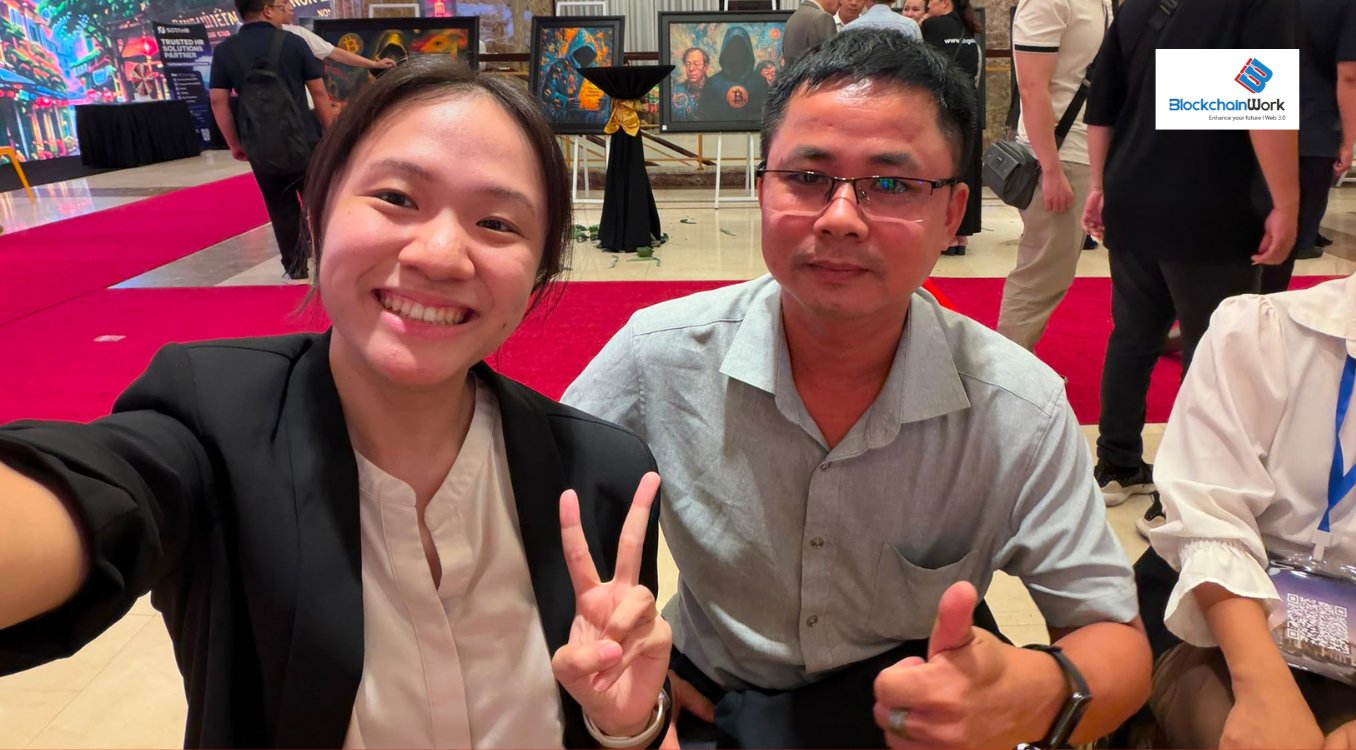
Also as part of these international connection activities, Hannah Teh, a community development intern from Singapore Management University (SMU), represented BlockchainWork at the event. The presence of young, internationally minded talent reflects BlockchainWork’s efforts to expand and strengthen the blockchain talent ecosystem beyond Vietnam’s borders.
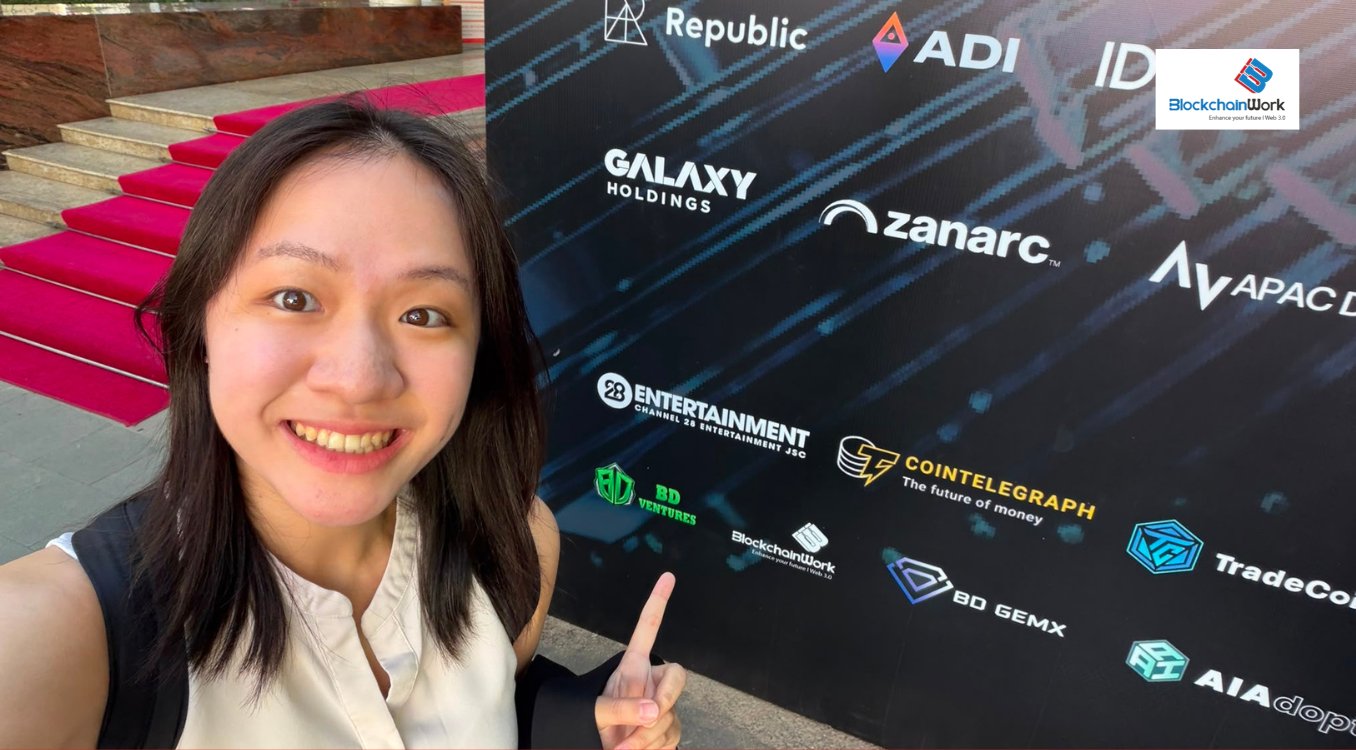
BlockchainWork is a leading blockchain talent community platform in Vietnam, accompanying the Vietnam RWA Summit 2026 as the event’s official Web3 media partner. With a community of more than 20,000 blockchain candidates and a network of 300+ enterprise partners at home and abroad, BlockchainWork will continue to update information on the event, its speakers and the conference’s highlights.
Event moment highlights
BlockchainWork
BlockchainWork – Vietnam’s leading blockchain talent community, connecting passionate candidates with pioneering companies in blockchain and Web3. With 20,000+ registered candidates and 300+ hiring companies, BlockchainWork is the specialized platform for blockchain careers in Vietnam.
- Partnership inquiries: contact@blockchainwork.net
- Learn more: https://blockchainwork.net/
- Employers – connect with top talent: https://blockchainwork.net/employer-signup
- Candidates – find your next opportunity: https://blockchainwork.net/candidate-signup
>> You may be interested in:
- Singapore Management University (SMU) Visits BlockchainWork: Expanding Blockchain Talent Collaboration Across ASEAN
- WebX 2026 Tokyo: When Japan Places Web3 at the Center of National Strategy
- BlockchainWork and Open Campus Join Forces to Strengthen Web3 Workforce in Vietnam
- BlockchainWork closes Seed 2 at 142,000 USD from Japanese investors: Three strategic priorities for the next growth phase
- BlockchainWork at Blockchain EXPO Tokyo Spring 2026: Connecting Vietnam’s Blockchain Talent with the Japanese Market
- BlockchainWork Releases Vietnam Blockchain Job Market Report 2025 – Outlook for 2026

Recap VIS 2026: BlockchainWork at ASEAN CrossConnect
BlockchainWork joined VIS 2026 in Ho Chi Minh City and connected with VC investors at ASEAN CrossConnect x InnoLab Asia. Key trends on capital, talent and standards.
Conviction 2026: How Vietnam’s Digital Asset Market and AI Adopters Are Preparing for the New Rules of the Game
On 14-15 August 2026, the Thiskyhall Sala Convention Center in Ho Chi Minh City became the meeting point for one of Vietnam’s largest technology events of the year: Conviction 2026 – Vietnam Digital Asset & AI Economic Forum, held…

Recap SMU Executive Dialogue: Finance, Transformation and Talent in Action
On 29 July 2026, BlockchainWork joined SMU Vietnam's Executive Dialogue | Strategy in Action in Ho Chi Minh City and shared the Blockchain/Web3 talent picture at the Corporate Pitching Session.
WebX 2026 Tokyo: When Japan Places Web3 at the Center of National Strategy
On 13–14 July 2026, The Prince Park Tower Tokyo once again became the epicenter of the Web3 world as WebX 2026 – one of Asia’s largest blockchain conferences – officially took place. Organized by CoinPost, Japan’s leading crypto media…
Inno Vietnam-Japan Meetup Vol.20: Latest Investment Trends and Financing Insights for Vietnamese Startups
On June 22, 2026, Inno Vietnam-Japan Meetup Vol.20 took place at The Sentry C, Sonatus Building in Ho Chi Minh City, bringing together over 60 delegates from both Vietnam and Japan. The event was co-organized by the Japan External Trade…



Blockchain - Web3 jobs


